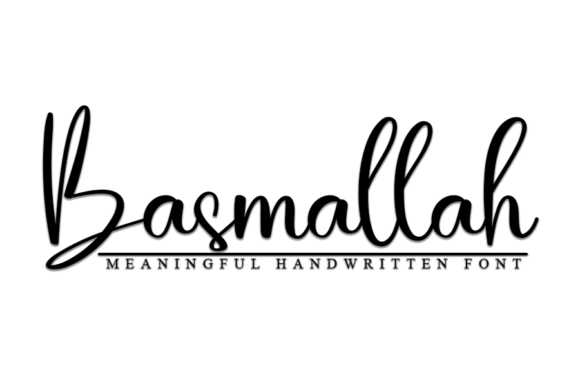
Molecular Font Review: Natural Handwritten Type for Makers
There is a specific moment in every product design session where you realize the standard typeface just isn't capturing the soul of your handmade goods. Last Tuesday, while I was finalizing the packaging for a new line of soy candles, I hit that exact wall. The minimalist sans serif looked too corporate, and the overly loopy scripts felt dated. That’s when I decided to test Molecular, a natural handwritten font made without changing a single node in each character’s indentation. I applied it to the candle label mockup, and the difference was immediate. It didn't look like a digital overlay; it looked like I had actually sat down with a pen and written "Lavender & Sage" directly onto the glass. For fellow crafters and shop owners, finding Fonts that bridge the gap between digital convenience and authentic artisanal charm is rare, but this Script Handwritten typeface delivers exactly that organic warmth we strive for in our listings.
Molecular for Candle Labels and Product Packaging Design
When incorporating Molecular into physical product branding, the unique construction of this Script Handwritten font becomes its greatest asset for packaging design. Because Molecular is a natural handwritten font made without changing a single node in each character’s indentation, the strokes retain a raw, unpolished texture that mimics real ink flow rather than vector smoothing. In my testing on 2x3 inch matte vinyl labels, this lack of artificial node manipulation meant the lettering remained crisp even at smaller sizes, avoiding the muddy edges that sometimes plague other handwritten Fonts when printed on textured paper or kraft stickers.
For makers creating boutique tags or jar labels, readability is paramount alongside aesthetics. I found that Molecular works exceptionally well for short product names and scent descriptors, providing enough personality to stand out on a crowded shelf without sacrificing legibility. However, because of its distinct indented structure, I would advise against using it for dense ingredient lists or safety warnings. Instead, pair Molecular with a clean, lightweight sans serif font for the technical details. This combination maintains brand consistency while ensuring customers can easily read necessary information. The visual weight of Molecular draws the eye to the emotional hook—the scent name or the brand promise—while the supporting text handles the utility. This balance is crucial for converting browsers into buyers in the handmade marketplace.
Using Molecular for Quotes and Printable Wall Art
Digital download creators and stationery designers will find that Molecular offers a refreshing alternative to overused calligraphy fonts for quotes and notes. When designing printable wall art or daily affirmation cards, the goal is often to make the digital file feel tangible and personal. Since Molecular is a natural handwritten font made without changing a single node in each character’s indentation, it carries an inherent imperfection that translates beautifully to high-resolution prints. I tested this by creating a series of 8x10 motivational quote templates, and the font’s unique rhythm gave the designs an editorial quality that felt premium rather than generic.
The versatility of Molecular in the printable niche extends beyond simple wall decor. It is perfectly suited for:
- Planner Inserts: Adding headers to weekly spreads where the handwriting style encourages users to engage with their planning.
- Greeting Cards: Creating "thinking of you" or birthday messages that look genuinely penned rather than typed.
- Social Media Templates: Overlaying text on lifestyle photography where the organic stroke width matches natural lighting and shadows.
- Digital Journals: Providing section dividers that break up screen fatigue with human-centric typography.
One practical tip for printable sellers: always include a flattened preview image in your listing photos. While the vector files are perfect for end-users who want to edit the text, showing Molecular rendered in a realistic frame mockup helps customers visualize how the unique node structure adds depth to their home decor. This font thrives in white space, so resist the urge to overcrowd the canvas; let the natural quirks of the letterforms do the heavy lifting for your composition.
Molecular for Tees and Merchandise Production Readability
Applying Script Handwritten styles to apparel requires careful consideration of production methods, and Molecular proves to be a reliable choice for tees and merchandise when used correctly. Whether you are using heat transfer vinyl (HTV), screen printing, or direct-to-garment (DTG) technology, the integrity of the font's lines matters immensely. I ran a test cut on a Cricut Maker using permanent vinyl for a tote bag design, and the unaltered nodes in Molecular provided consistent blade traction. Unlike some script fonts that have artificially smoothed curves which can cause jagged cuts or weeding nightmares, the natural geometry of this typeface held up well during the weeding process.
However, scale is everything when using Molecular for apparel. Because it is designed with such specific, natural indentations, shrinking it below a certain threshold can cause those unique details to fill in with ink or vinyl. For t-shirt designs, I recommend keeping the primary phrase in Molecular at least three inches wide to preserve the character definition. If you are designing for darker fabrics where layering is required, consider using Molecular only for the focal word and pairing it with a bold display font for the secondary text. This not only solves potential production issues but also creates a dynamic visual hierarchy that reads better from a distance. Always perform a wash test with your specific materials before listing apparel for sale, as the organic nature of the font means it interacts differently with fabric textures compared to standardized block letters.
Licensing and Technical Considerations for Commercial Sellers
Before adding Molecular to your next collection of Fonts, understanding the technical and legal parameters is essential for protecting your handmade business. As with any premium creative asset, verifying the commercial license included with your purchase is non-negotiable if you plan to sell physical products, digital templates, or branded merchandise. Many makers assume all downloaded fonts allow for unlimited commercial use, but licensing terms vary significantly. Ensure your license covers your specific intent, whether that is selling end-products featuring the font or selling editable templates where the customer uses Molecular themselves.
From a technical workflow perspective, take time to explore the OpenType features that may accompany this Script Handwritten typeface. Even though Molecular is defined by its unaltered nodes, many modern handwritten fonts include contextual alternates or ligatures that enhance the natural flow when typing specific letter combinations. Checking the glyph panel in your design software can reveal hidden gems that make your custom quotes and notes look even more bespoke. Additionally, confirm file format compatibility with your primary tools; while OTF and TTF files work universally for printables and branding, you may need SVG versions specifically optimized for cutting machines if you are producing vinyl decals or iron-on transfers. By respecting both the creative spirit and the technical requirements of Molecular, you ensure that your products maintain a professional standard that honors the craftsmanship behind the font itself.